Cheapest herePrivate guide
10 hPrivate Tour with English-Speaking Guide
★ 5.0 · 45 reviews
- A private guide at the price of a coach seat
- Ten hours, customisable, English-speaking
- Rated 5.0, from 45 reviews so far
- Free cancellation
Nikko is a day trip from Tokyo and it is a long one: two hours out, two hours back, and between them a mausoleum covered in gold leaf, a ninety-seven-metre waterfall and a lake at one thousand two hundred and sixty-nine metres. Twelve tours on this page, from $66 to $458, and the difference between them is not what you see — it is how many hours of the day you spend on a coach with strangers.
From, per person
12 tours compared$66
And the dearest on the page is $458
Average rating
Across all 12 tours4.6 ★
Across 4,745 verified reviews
On the Yomeimon gate
Finished in 1636508 carvings
And not one of them repeats anywhere on the gate
Everything you can book here
Twelve tours, sorted by price, cheapest first — with the two things the listings bury: whether the group is a coach or a car, and whether Lake Chuzenji is actually included or only mentioned.
★ 5.0 · 45 reviews
★ 5.0 · 1 reviews
★ 4.6 · 2,272 reviews
★ 4.4 · 33 reviews
★ 4.5 · 1,506 reviews
★ 4.7 · 75 reviews
★ 5.0 · 26 reviews
★ 4.9 · 316 reviews
★ 5.0 · 1 reviews
★ 4.8 · 23 reviews
★ 4.4 · 11 reviews
★ 5.0 · 436 reviews
Two questions
Twelve tours, and the itineraries are more alike than the prices suggest. Almost all of them see Toshogu; the differences are whether Lake Chuzenji is genuinely included, whether the vehicle is a coach or a car, and how much of the day belongs to somebody else’s schedule. Pick what matters and we will point at one.
See it before you pay for it
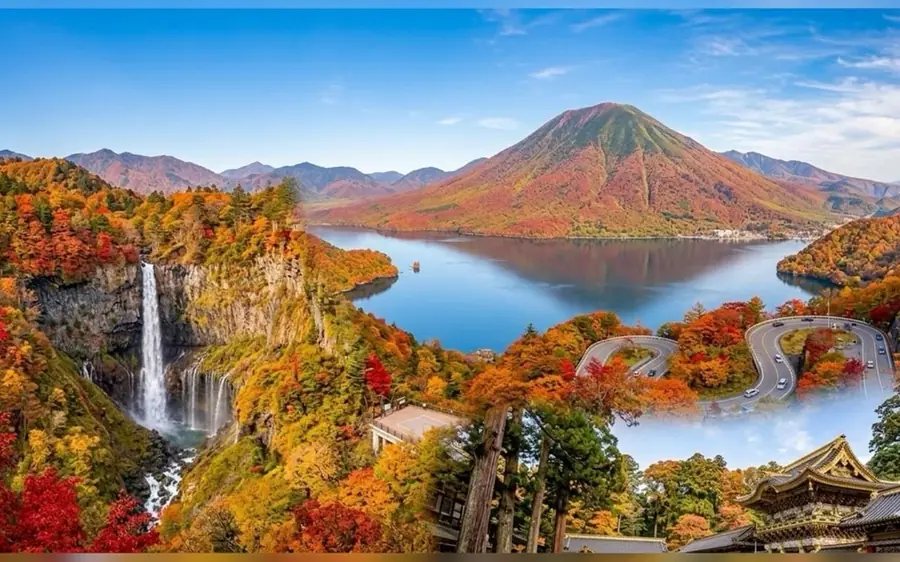
Three things, and they are a forty-minute drive apart. A shrine complex so ornate that it looks like a mistake in a country famous for restraint. A waterfall that drops ninety-seven metres out of a lake. And the road between them, which climbs a mountain in forty-eight numbered hairpins.
Side by side
The gap between the cheapest tour here and the dearest is nearly four hundred dollars and it buys almost the same itinerary. What changes is the vehicle, the group and whether the day bends around you or you around it.
Swipe the table sideways →
| MOST BOOKEDToshogu Shrine and Kegon Waterfall Tour | Kegon Falls, Lake Chuzenji & Toshogu | Full-Day Personal and Private Tour | |
|---|---|---|---|
| Price per person | $83 | $74 | $311 |
| How long it runs | 10.5 hours | 10.5 hours | 10 hours |
| Cost per hour | $7.90 | $7.05 | $31.10 |
| Lake Chuzenji | Not included | Included | If you want it |
| Kegon Falls | Included | Included | If you want it |
| Where | From central Tokyo | From central Tokyo | From your hotel |
| Who runs it | A shared coach and a guide | A shared coach, and the lake included | A private guide, at your pace |
| Group size | Timed entry, larger | Small group | Very small |
| Rating | 4.5 · 1,506 | 4.6 · 2,272 | 4.9 · 316 |
| Best for | A first Nikko day | Seeing the most | A family, or a second visit |
| Book this one→ | Check dates | Check dates |
Free cancellation up to 24 h · Reserve now, pay later
Verdict
Kegon Falls, Lake Chuzenji and Toshogu in one ten-and-a-half-hour day, with 2,272 reviews — more than any other Nikko listing anywhere. The mountain half of the day is the half people underestimate, and it is the half several tours quietly leave out. The one reason to book something else instead is a party of four or more, where a private car works out closer per head than it looks.
Check dates and availability→Before you book
Seven of the twelve listings on this page have under fifty reviews each, and two of those have exactly one. They may be excellent — a new listing has to start somewhere — but a 5.0 from a single traveller is not evidence in the way 2,272 ratings are. We print the count beside every score for exactly this reason.
Two-minute check
Twelve tours and a four-hundred-dollar spread across nearly the same itinerary. Three answers narrow it to one: how many of you there are, whether the lake matters as much as the shrine, and how much of the day you want to control.
How many of you are travelling?This decides more than budget does
What are you willing to spend?Per person, transport included
Does the lake matter as much as the shrine?The question nobody asks and everybody should
You'll get the tour that fits, the one thing about it that catches people out, and an honest word about how much evidence its rating rests on.
Twelve kinds of Nikko day
Ratings are the operators’ own numbers on GetYourGuide, shown as published. We do not write reviews and we do not average other people’s into a score of our own. Three of these listings have very few ratings, and we say so on every card.
★★★★★
Based on 4,745
verified reviews
All twelve tours on this page, rated by the people who took them on GetYourGuide.
Read all 4,745→Toshogu Shrine and Kegon Waterfall Tour
From $83 · 1,506 reviews
★★★★★
Toshogu and Kegon Falls in a single day from central Tokyo — the shrine and the waterfall, which is the pair most people actually mean by a Nikko trip. 1,506 reviews at 4.5.
Kegon Falls, Lake Chuzenji & Toshogu
From $74 · 2,272 reviews
★★★★★
Kegon Falls, Lake Chuzenji and Toshogu in one ten-and-a-half-hour run, with 2,272 reviews — more than any other Nikko listing anywhere. The lake is genuinely on the itinerary rather than mentioned in passing.
Guided Day Trip to the World Heritage Sites
From $88 · rated 4.7
★★★★★
Toshogu, Futarasan and Rinnoji with the Taiyuin mausoleum — the complete UNESCO listing rather than the famous third of it. Rated 4.7, the highest of the shared coach days here.
Full-Day Personal and Private Tour
From $311 · 316 reviews
★★★★★
A private full day at your own pace, rated 4.9 across 316 reviews — the best-evidenced private listing on this page by a wide margin. For a family of four the per-head arithmetic is closer than it looks.
World Heritage Sites & Hot Spring Day Trip
From $71 · new listing
★★★★☆
The World Heritage sites followed by an onsen, which is what Nikko has been used for since long before the coaches arrived. One review so far, so treat the rating as a placeholder and the itinerary as the reason.
Private Tour with English-Speaking Guide
From $66 · the cheapest here
★★★★★
Ten hours with an English-speaking guide and a customisable route, for less than most of the shared coach days on this page. 45 reviews at 5.0 — a young listing, and the most interesting anomaly in the pricing here.
What it really costs
Between sixty-six and four hundred and fifty-eight dollars, and the itineraries barely differ. What you are pricing is the vehicle and the group size, and for a family of four the arithmetic reverses completely.
Swipe sideways →
| What you are paying for | Price | What you get | Cancellation |
|---|---|---|---|
| A shared coach day | $66–$87 | Toshogu, Kegon Falls and usually Lake Chuzenji, 10 hours | Free cancellation 24 h |
| A private guide, per person | $312 | The same sights, your pace, a licensed guide | Free cancellation 24 h |
| A private car and driver | $338–$458 | Door to door, and a group price rather than per head | Free cancellation 24 h |
The honest answer
Yes, and with one warning: it is a long day. Four hours of travelling for six hours of Nikko. If that sounds like too much, the honest alternative is to stay a night, and almost nobody does — which is why the tours exist.
The day, hour by hour
Every coach day starts early, from Shinjuku or a nearby pickup point. It is about two hours north, and the tours that start later are the ones that cut something from the far end.
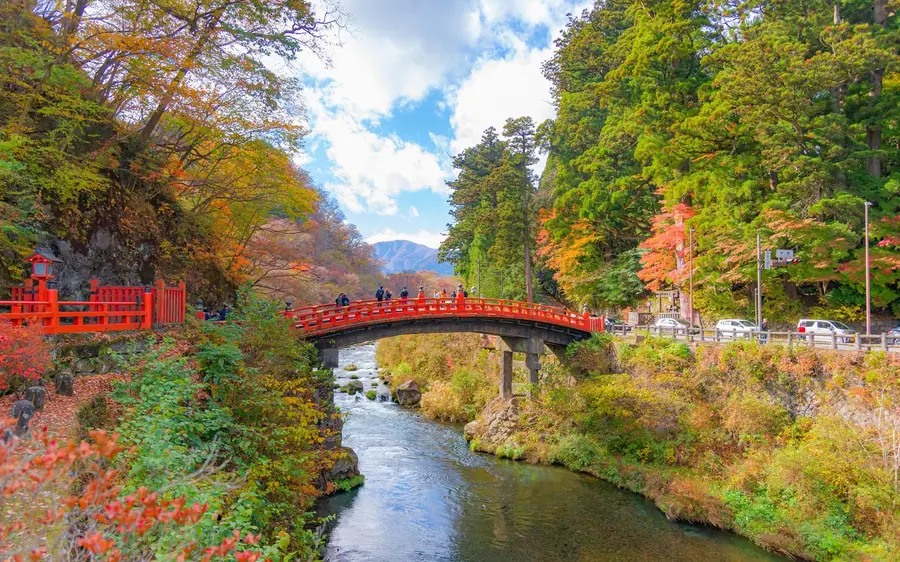
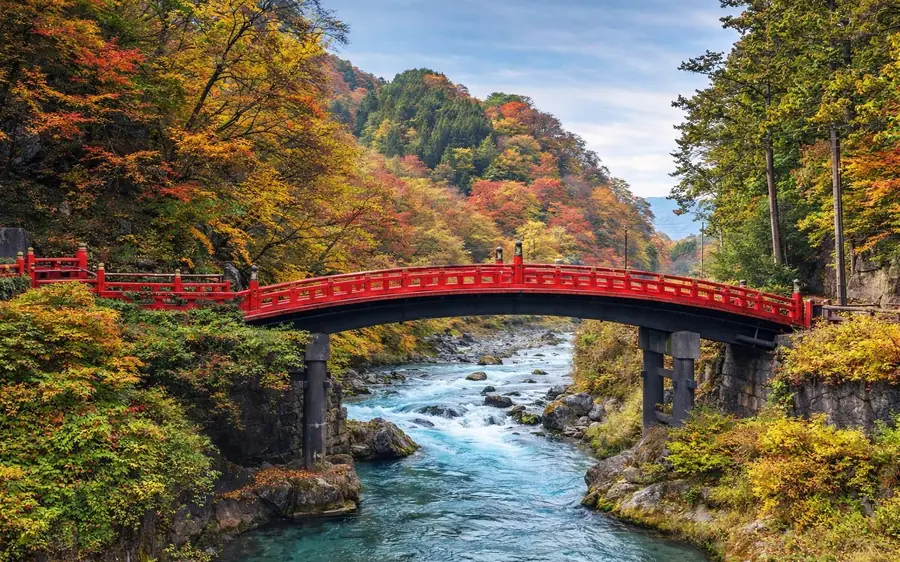
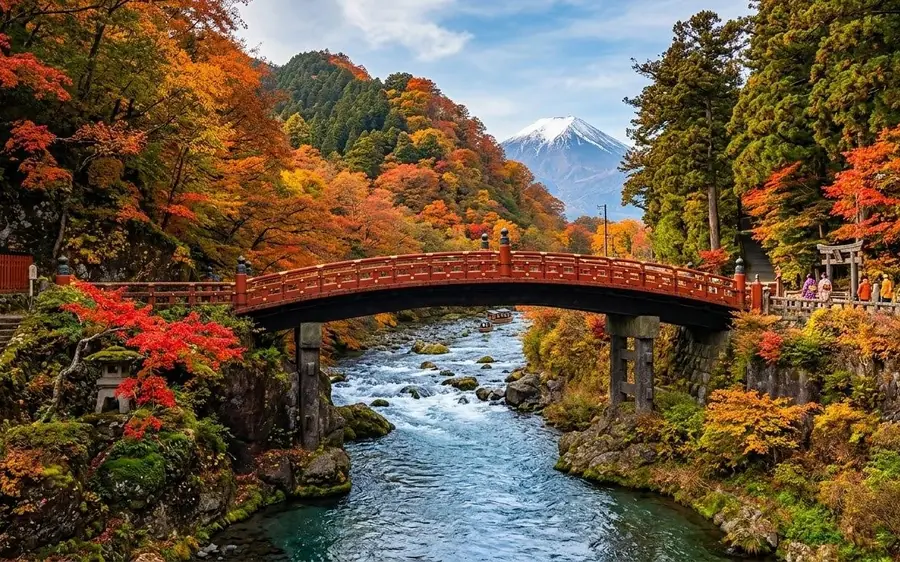
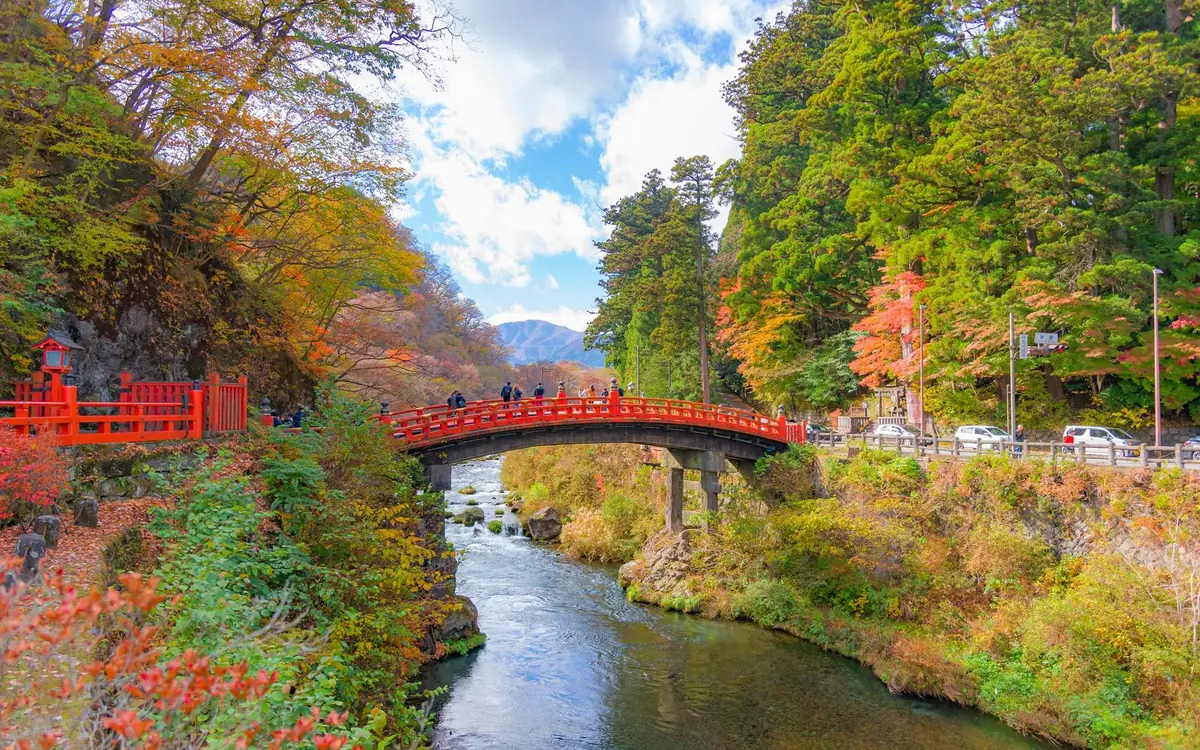
A vermilion bridge over the Daiya river at the entrance to the shrine district. Ten minutes, and it is the photograph everybody has already seen.
The mausoleum of Tokugawa Ieyasu, begun in 1617 and rebuilt on this scale by his grandson in the 1630s. Two hours here is normal and it is not too long.
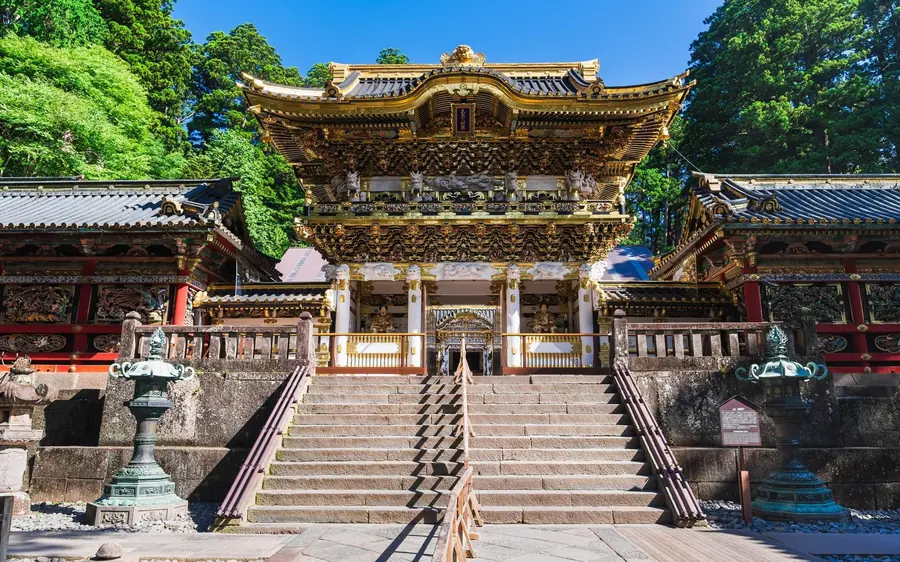
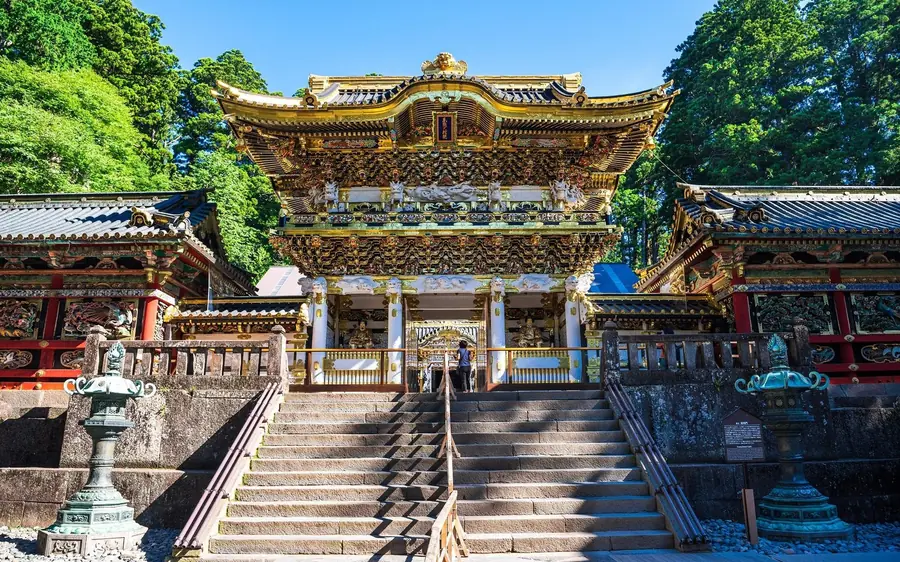
Five hundred and eight carvings, no two the same, and enough gold leaf to make the whole thing read as a deliberate argument about power. This is why the tour exists.
Often yuba — tofu skin — which is the local speciality and considerably better than it sounds.
Forty-eight numbered hairpins climbing to the lake, twenty-eight on the way down and twenty on the way up. In late autumn this is slow and worth every minute.
The waterfall drops ninety-seven metres straight out of the lake, which sits at one thousand two hundred and sixty-nine metres. About ninety minutes for both.
Give or take an hour, and later in autumn when the mountain road is full.
The one decision that matters
Nothing else on this page causes as much disappointment, and no listing states it plainly. Toshogu sits at the bottom of the valley and almost every tour goes there. Kegon Falls and Lake Chuzenji are a further forty minutes above it, up a mountain road of forty-eight hairpins, and reaching them adds a good hour and a half to the day in each direction. Several listings name the lake in the description without actually stopping at it, and in winter the road can close and the lake quietly drops off the schedule altogether. If the waterfall is part of why you are going, read the column on our table rather than the title of the tour.
Four parts of Nikko
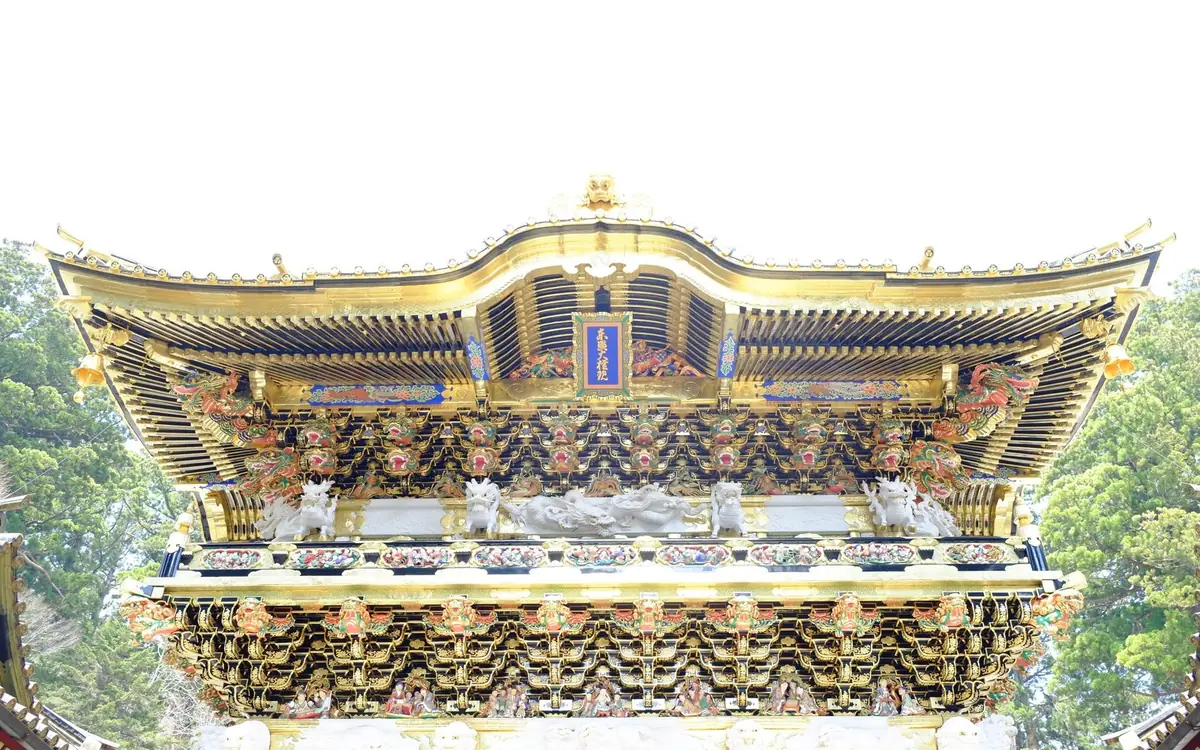
Five hundred and eight carvings, and not one of them repeated.
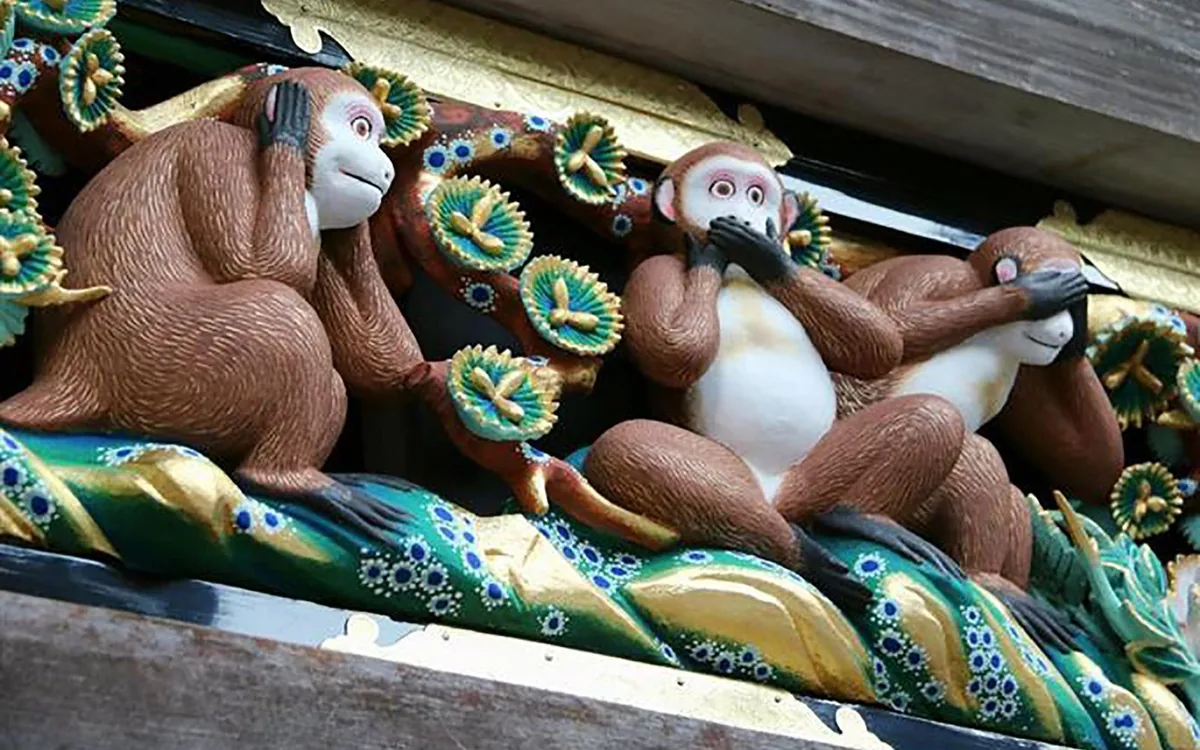
On the sacred stable, and older than the phrase they gave English.
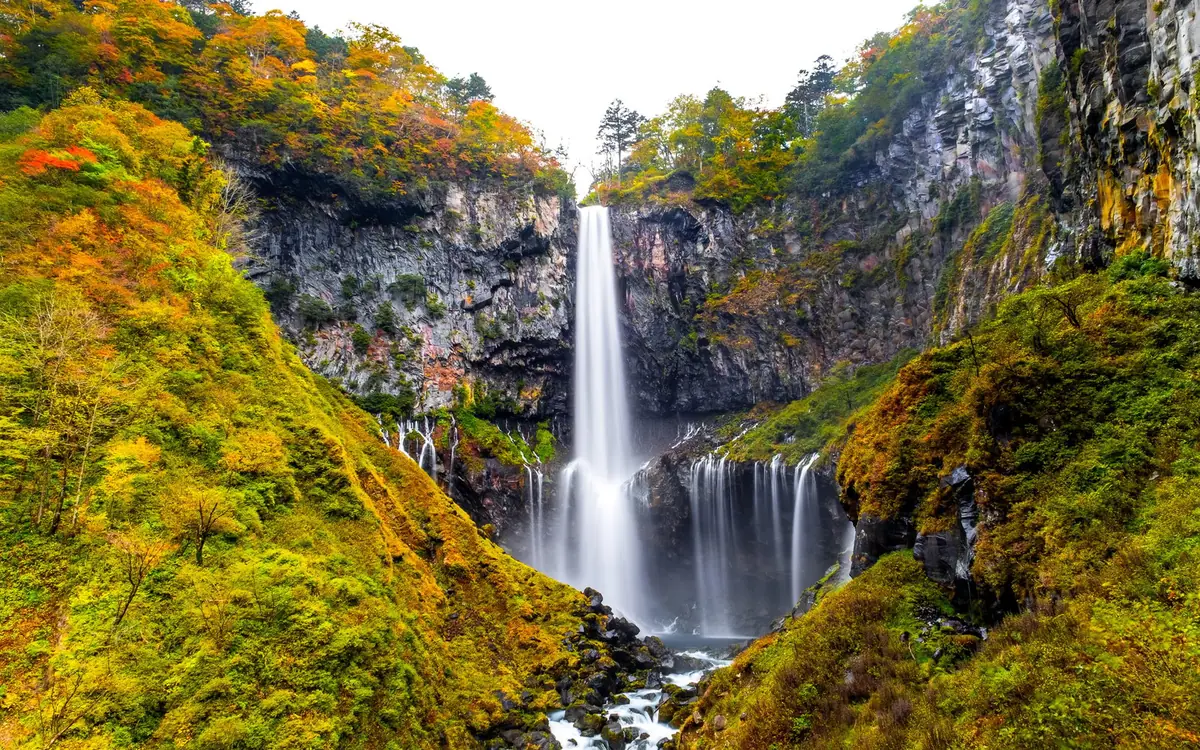
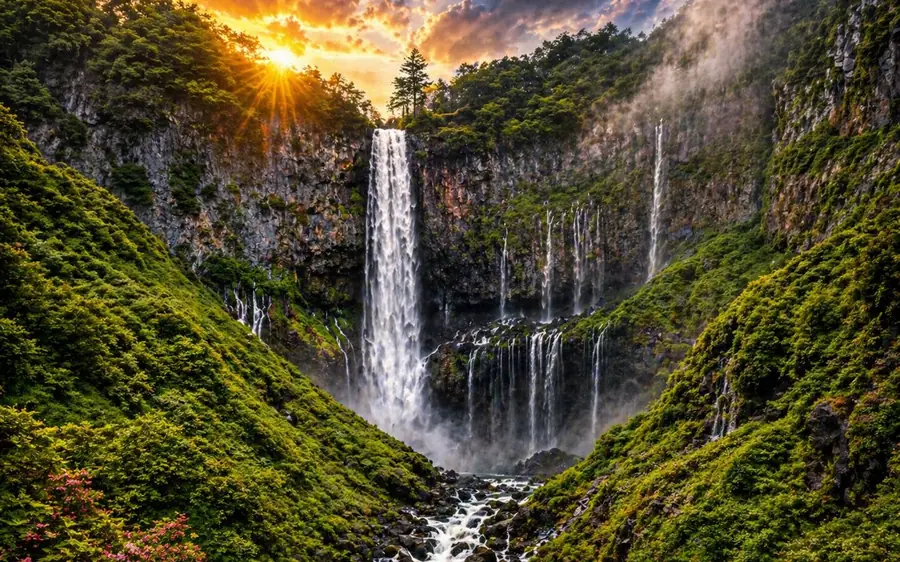
Ninety-seven metres, straight out of the lake above it.
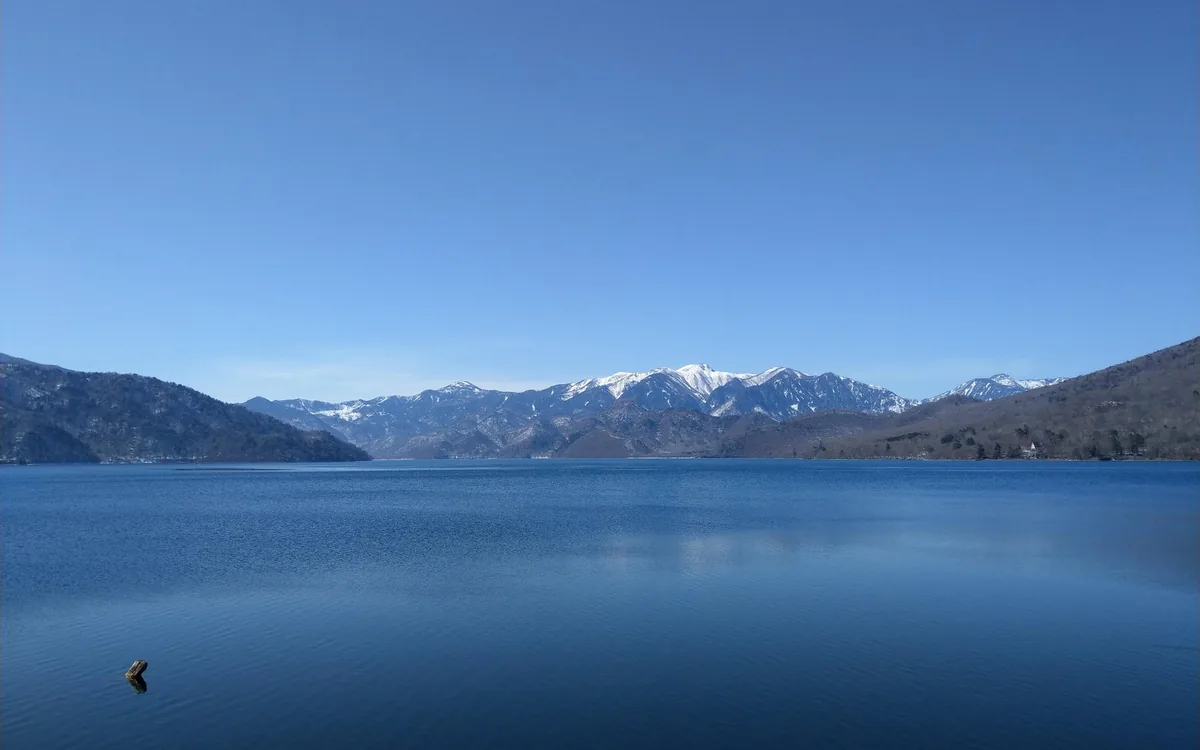
At 1,269 metres, dammed by the volcano that made it.
Start here
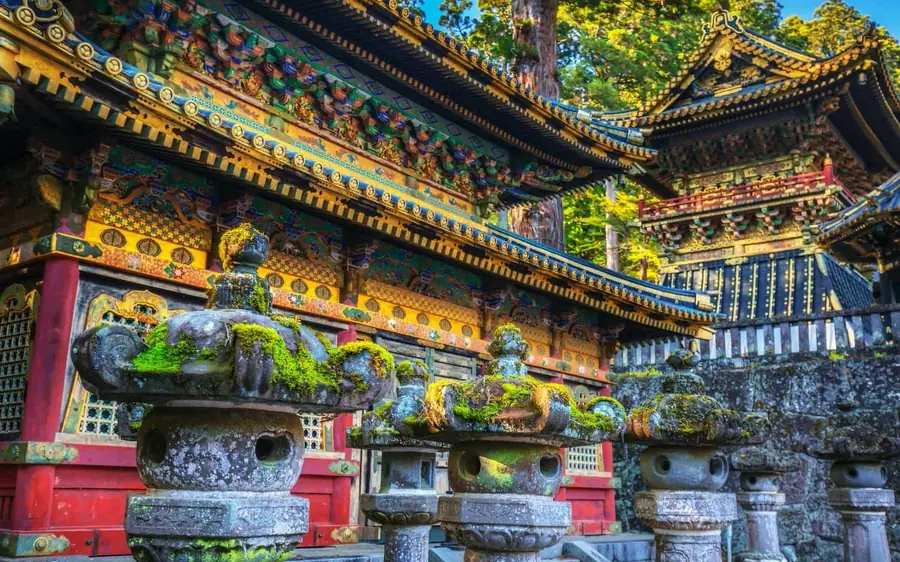
Nikko is famous for one building, and the building is famous for being wrong. Toshogu is the mausoleum of Tokugawa Ieyasu, the man who unified Japan and founded the shogunate that ran it for two hundred and fifty years — and it is covered, from the gateposts to the eaves, in gold leaf, lacquer and carving.
That matters because Japanese religious architecture is not usually like this. The tradition people arrive expecting — plain cedar, restraint, empty space — is the norm, and Toshogu is the deliberate exception. It was built in 1617 by Ieyasu’s son and then rebuilt on this scale by his grandson Iemitsu in the 1630s, and the extravagance is the argument: this is what the family that had just ended a century of civil war could afford to do.
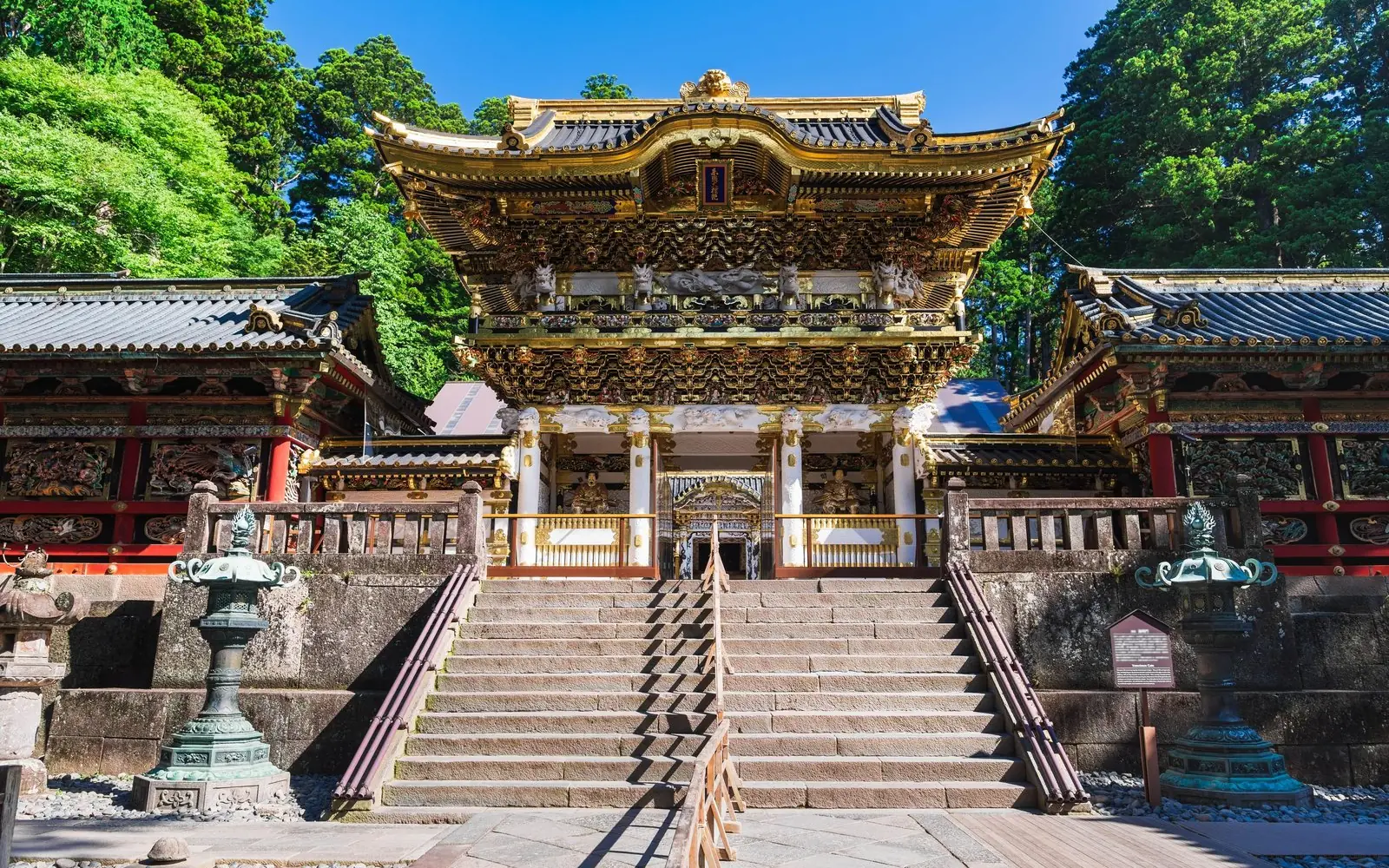
The centrepiece is the Yomeimon gate, which carries five hundred and eight separate carvings — children, sages, dragons, mythical beasts — and no two of them are the same. People stand in front of it for a long time, which is the point, and one of its columns is famously carved upside down so that the gate would not be perfect and therefore not provoke the gods.
On the sacred stable nearby is a small panel of three monkeys covering eyes, ears and mouth. It is one of eight panels telling a life story, it predates the English phrase by centuries, and almost every visitor walks past seven-eighths of the sequence without noticing.
Toshogu is one of three sites in the UNESCO listing, which was made in 1999. The other two are Futarasan, older and far plainer, and Rinnoji, a Buddhist temple whose Taiyuin is the mausoleum of Iemitsu — deliberately less grand than his grandfather’s, and better for it. Only about half the tours on this page include all three.
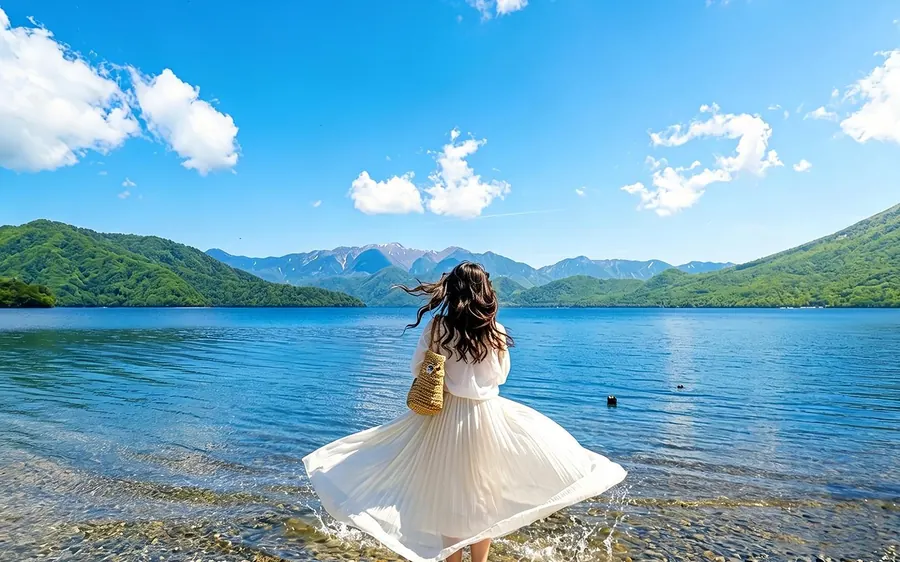
The second half of a Nikko day is mountains. Above the shrine the road climbs the Irohazaka, forty-eight numbered hairpins named after the forty-eight syllables of the old Japanese alphabet, twenty-eight going down and twenty coming up. At the top is Lake Chuzenji at one thousand two hundred and sixty-nine metres, dammed into existence by an eruption of the volcano above it.
And out of the lake falls Kegon, ninety-seven metres in a single drop, counted among the three great waterfalls of Japan. There is a lift down to a viewing platform at the base, and it is worth the small fee.
All of which is why this is a ten-hour day rather than a six-hour one, and why the single most useful thing to check before booking is whether the lake is actually on the itinerary or just in the description.
If a coach day is not what you want
A shared coach is the cheapest way to Nikko and it is also ten hours on somebody else’s clock. These three hand the day back: a private guide at close to a coach price, a private full day rated 4.9, and one that ends in an onsen rather than a car park.
Practical
Five things decide how it goes: the season, whether the lake is on the itinerary, how you get there, what the weather is doing at 1,269 metres, and how early you are willing to leave Tokyo.
Tokugawa Ieyasu is buried above it. The complex exists to honour one man, which is why it looks like nothing else in Japan.
By his son and then by his grandson Iemitsu, who spent an enormous sum making it what you see now.
No two the same. One column is set upside down on purpose, so the gate is not perfect.
On the sacred stable, telling a life story. Most visitors photograph the famous panel and miss the other seven.
And it is signposted, because otherwise nobody would find it. It guards the path up to the tomb itself.
Which is worth knowing, because the shrine complex charges separately if you arrive alone.
Twenty-eight on the descending route and twenty on the ascending one, named after the forty-eight syllables of the old alphabet.
Formed when an eruption of Mount Nantai dammed the valley. It is cold, deep and considerably cooler than Tokyo in August.
Straight out of the lake, in a single fall, and it is one of the three great waterfalls of Japan.
A small extra fee, and the view from the bottom is the one worth having.
This is the single most common disappointment. Check the column on our table rather than the title of the tour.
And the lake quietly drops off the schedule. Ask before booking a December day around it.
About two hours each way from Tokyo, plus the mountain road. The tours that look shorter are cutting something.
Often yuba, the local tofu skin, which is better than it sounds and is genuinely a Nikko speciality.
Late October to early November fills the Irohazaka road with traffic. Worth it, and budget an extra hour.
Nikko sits high and the lake sits higher. A layer more than the city needs, in every season.
Stone steps at the shrine, more at the falls. Nothing difficult, and several hours of it.
The waterfall lift, drinks and anything at the shrine beyond the included entry.
Standard on every tour on this page.
The one column that matters most, and the one the listings are vaguest about.
Seven of these twelve have under fifty ratings. They may be excellent; there is simply less evidence.
For four people that changes the arithmetic completely. Divide before you dismiss it.
Late October and early November are the peak, and the good tours go first.
Some collect from Shinjuku, some from your hotel. On a 7:30 start that difference is real sleep.
Best time
The shrine is worth a day in any month. The lake and the waterfall are worth the extra two hours of driving only in some, and the difference between mid-October and mid-November is the whole reason people book this trip.
Late Oct – early Nov
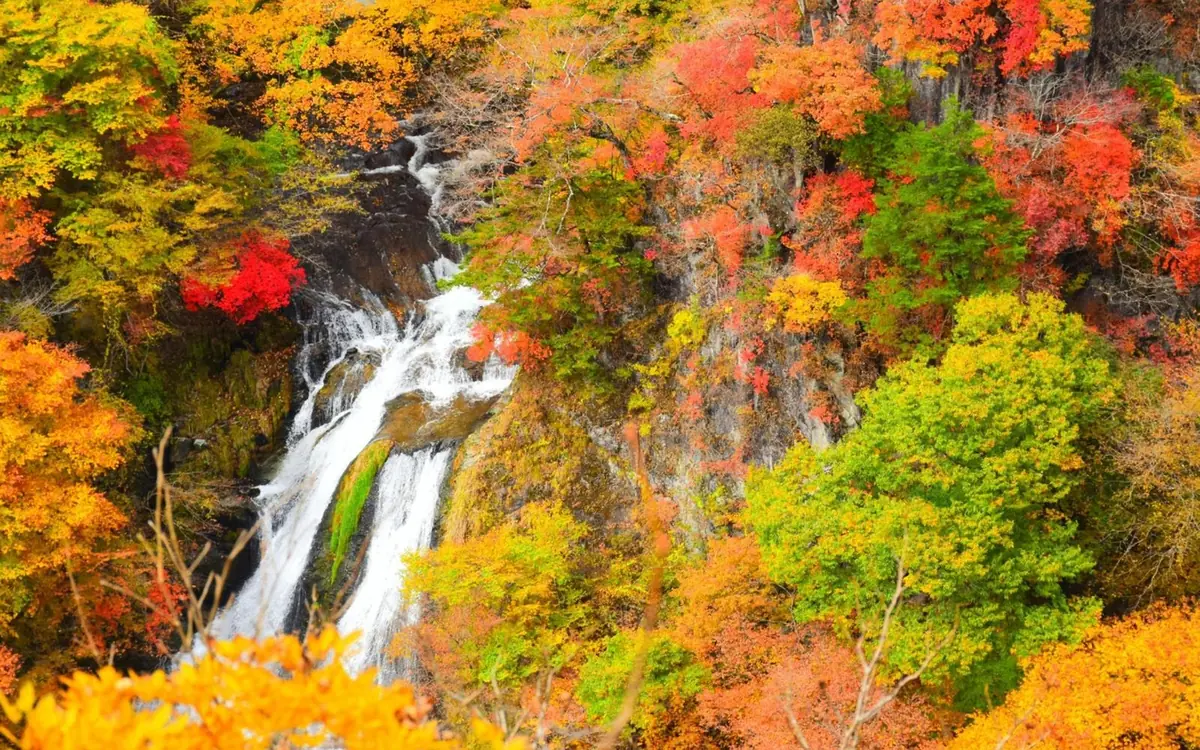
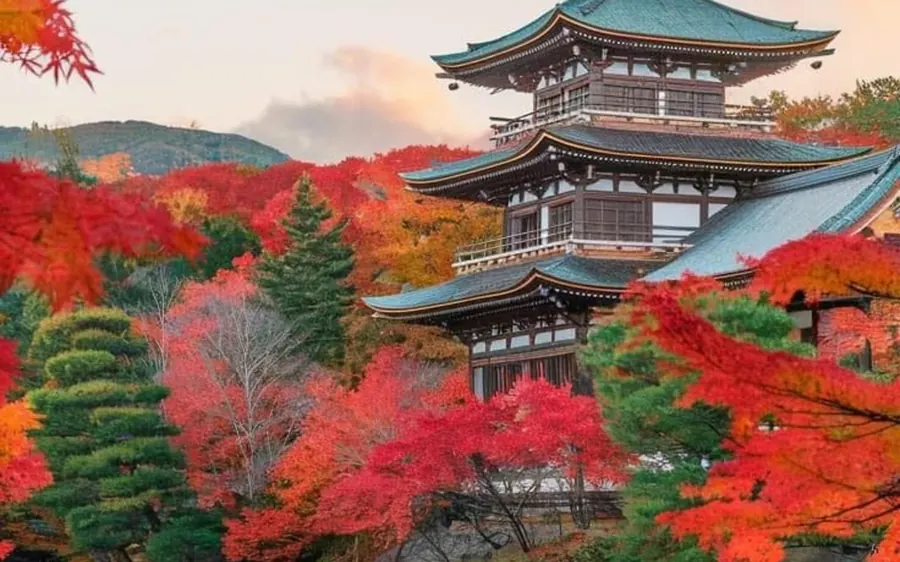
The best window and the busiest by far. The maples turn on the Irohazaka road and around the lake first, then work down to the shrine. Book weeks ahead and expect the mountain road to be slow.
May – Jun
Fresh green, comfortable temperatures, long light and far fewer people than autumn. The second-best time to come and the easiest to book.
Jul – Sep
Warm in Tokyo and noticeably cooler at the lake, which is exactly why Nikko has been a summer retreat for a century. Afternoon rain is common in the mountains.
Dec – Feb
Cold, quiet and often beautiful, with snow on the shrine roofs. The mountain road can close, and several tours drop the lake from the itinerary. Check what you are actually getting.
Mar – Apr
Nikko is high and it thaws late. Cherry blossom arrives here weeks after Tokyo, and the lake can still be cold and grey when the city is in full bloom.
Worth knowing
Check whether Lake Chuzenji is actually included. It is the single most common disappointment on this subject: the lake and Kegon Falls are a further forty minutes above the shrine, and several tours mention them without going. Our table has a column for it.
Toshogu deserves two hours, not forty minutes. The Yomeimon gate alone rewards twenty. A tour that allocates an hour to the whole complex is moving you through it rather than showing it to you.
Look at the other seven monkey panels. The famous three are one panel of eight telling a life story on the sacred stable. Almost everybody photographs the one and walks past the rest.
Take the lift at Kegon Falls. A small extra fee gets you to the platform at the base, and the view from the bottom is the one worth having. From the top you are looking at a gap in the trees.
Autumn is worth an extra hour in the schedule. Late October to early November on the Irohazaka road is genuinely beautiful and genuinely slow. Tours run late in that fortnight and nobody minds.
Bring a layer more than Tokyo needs. Nikko is high and the lake is higher — the temperature difference from the city is real in every season, and most in winter.
Round out the trip
10–11 h · ★ 5.0 (436)
$458View 10.5 h · ★ 4.6 (2,272)
$74View 10 hours · ★ 4.7 (75)
$88ViewGo deeper
Common questions
Toshogu, the mausoleum of Tokugawa Ieyasu, begun in 1617 and rebuilt on its present scale in the 1630s. It is covered in gold leaf and carving in a way almost nothing else in Japan is, and its Yomeimon gate carries 508 separate carvings, no two the same. Above the shrine are Kegon Falls, which drops 97 metres, and Lake Chuzenji at 1,269 metres.
From $66 for a shared coach day to $458 for a private car and driver. The most-booked tour is $83.
Ten to eleven hours door to door, of which about four are travelling. Tokyo to Nikko is roughly two hours each way, and the mountain road up to the lake adds another forty minutes in each direction.
On some, and it is the single most useful thing to check. The lake and Kegon Falls are a further forty minutes above the shrine, up the Irohazaka road, and several tours mention them without actually going. Our table has a column for it.
Yes, and almost everybody does. It is about two hours by train or coach each way. Staying a night is better and very few people do it, which is exactly why the day tours exist.
The main gate of Toshogu and the most decorated structure in Japan: 508 carvings of children, sages and mythical beasts, none of them repeated. One of its columns is deliberately set upside down so the gate is not perfect.
On the sacred stable at Toshogu, as one panel in a sequence of eight telling a life story. The carving predates the English phrase by centuries, and most visitors photograph the one panel and walk past the other seven.
Late October to early November for the autumn colour, which is spectacular and very busy. Late spring is the quieter answer: fresh green, comfortable temperatures and far easier booking.
Free · no account needed
One PDF: every tour labelled with whether the lake is included, the shrine complex mapped, and the day hour by hour.
The plan is on its way. If it isn't there in a minute, look in Promotions.
Why trust this page
The 1617 founding, the 508 carvings on the Yomeimon gate, the 1999 UNESCO listing, the 97-metre waterfall and the 48 hairpins come from the Japanese tourist boards and the published record. Prices and ratings are read off the live listings.
It is the commonest disappointment in this niche and the vaguest line in every listing. Our table gives it a column of its own.
Seven of the twelve tours here have under fifty ratings. We print the number beside the score every time, because 5.0 from one person and 4.6 from 2,272 are not the same claim.
Ten tours, ordered by price, ranked on what they enter and how much evidence stands behind the rating. We earn a commission when you book and it does not change what we recommend.
The answer
If you are doing one day in Nikko, do the version that reaches Kegon Falls and Lake Chuzenji as well as Toshogu, for $83 — 2,272 reviews, more than any other Nikko listing anywhere, and the mountain half of the day is the half people underestimate. If the shrine alone is what you came for, the top pick at $66 does that and does it well.
Check dates and availability→ Free cancellation up to 24 hours · Reserve now, pay laterBefore you go
Every tour labelled with whether the lake is included, the shrine complex mapped, and the day hour by hour.
Check your inbox in a minute.
or
Just show me live dates and prices →
Toshogu Shrine and Kegon Waterfall Tour
★ 4.5 · 1,506 reviews · Free cancellation 24 h